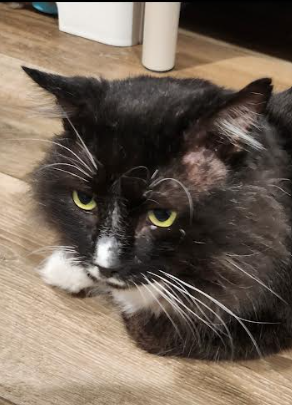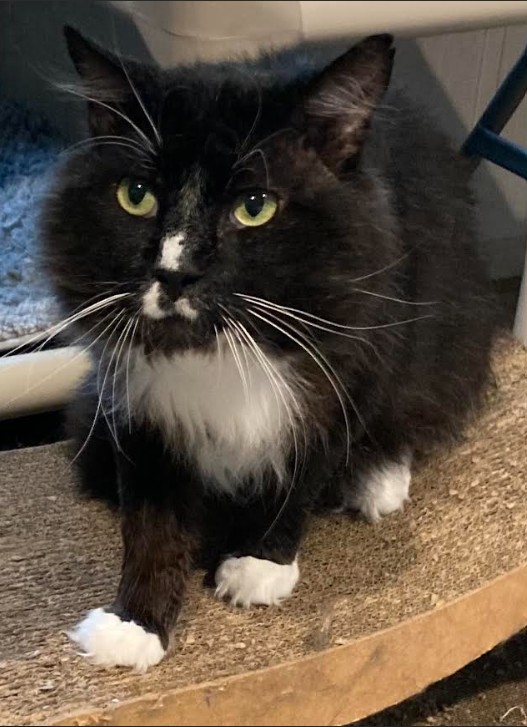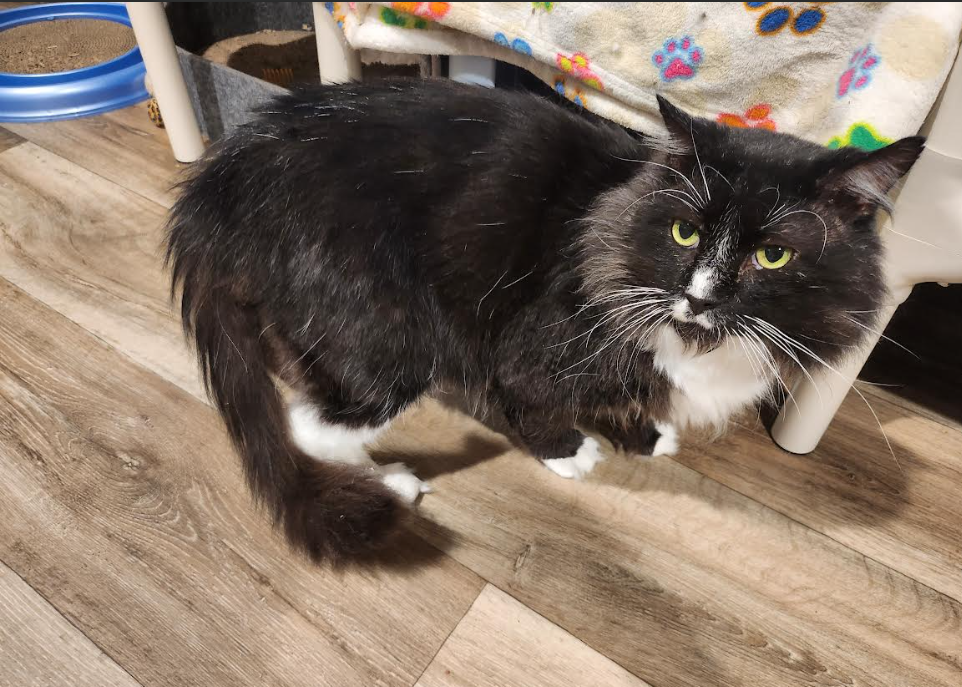
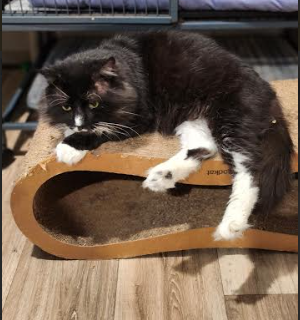
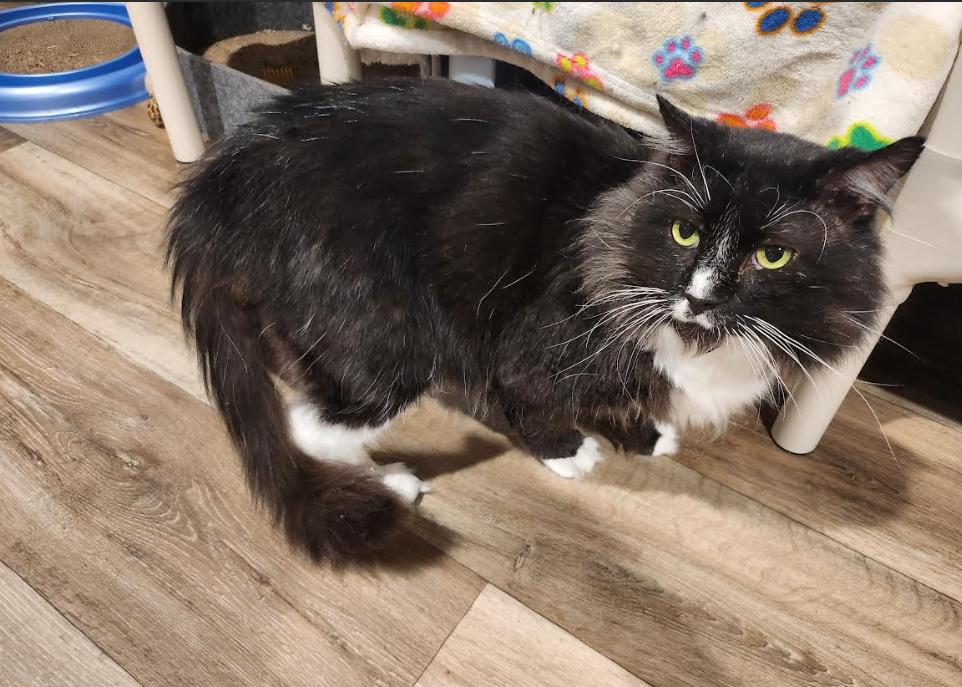
April 2026 If you’ve ever wondered whether helping a feral cat is worth it, we hope Bruiser’s story shows you that it absolutely is!
Bruiser’s Mom tells his amazing rescue and rehabilitation story below, so even though he’s safe and sounds and in his “FURR-ever” home, it’s important to people to understand that his experiences are typical of what feral cats endure and how rewarding their rescue and rehabilitation is!

Bruiser’s Story
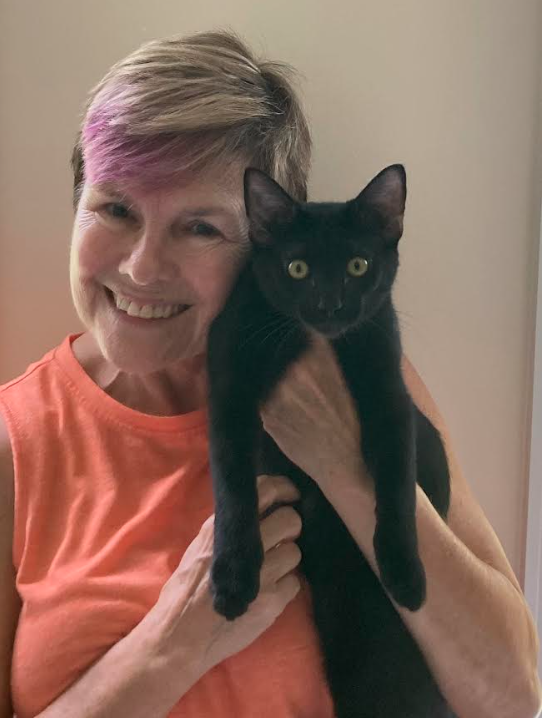
For several years, Bruiser was “the feral cat” in our neighborhood—the one you’d see wandering through, but could never get close to. Even when food was offered, he wasn’t interested. I could run outside with a bowl, and he’d be gone in a flash. Humans? Not his thing.
Everything changed one summer day when we spotted him perched on the edge of our above-ground pool, desperately drinking water. Out of concern, we set out a bowl of fresh water. He drank. Then we put out food—and he ate. Slowly, cautiously, Bruiser began coming around more regularly.
That’s when we reached out to Terri at FURR. Our original plan was simple: get him neutered and vetted so he could be our “outside kitty” safer and healthier. But of course… Murphy’s Law. Bruiser disappeared for a month and we were pretty bummed,thinking we’d missed our chance.
Then one day—he was back. Terri kindly loaned us a trap and crate to help with TNR (Trap-Neuter-Release) and urged us to consider bringing him inside. We were hesitant. We already had two indoor cats, and Bruiser was very feral. When a potential hurricane was forecasted in September, we knew that time was of the essence to get him in from outside.
We trapped him on the first try—success! Terri arranged his appointment at the spay/neuter clinic, and Bruiser came home fully vetted. We learned he was about four years old and FIV-positive* (a manageable, but incurable, disease – see “What to know about FIV” below). Terri reassured us that with proper care and supervision, our other cats would be just fine.
Working with a true feral adult was new territory for us. Even though we’ve had cats all our lives, this was different. Terri was incredible—always there with advice, reassurance, and step-by-step guidance. We checked in often, sometimes with questions – sharing photos and videos of our real-time progress and struggles, and sometimes just needing encouragement.
Progress wasn’t always obvious, and there were moments when it felt like we’d hit a wall. But we learned that slow steps, patience, and consistency really do matter. Trust began to grow.
And then… something amazing happened. In just two months, Bruiser went from a tough outdoor “bruiser” to a total schmoozer.
Many swats, a couple of bites (and yes, a little blood) later—we were petting him, he was rubbing on us and purring. We never thought a truly feral adult cat could become a happy, affectionate part of a family—but once they feel safe and experience love,
anything is possible.
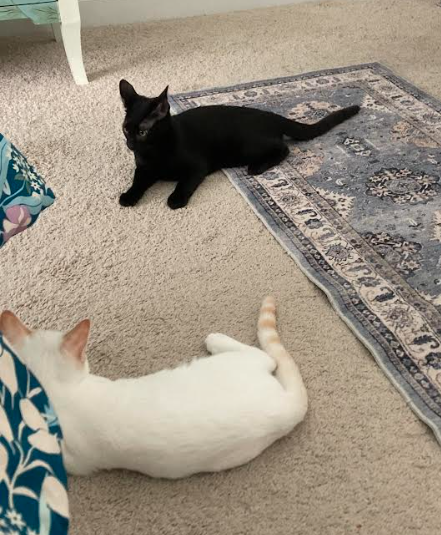
Is everything perfect? Not quite yet. Our calico with catitude, Sophia, still hisses when he gets too close, Bruiser occasionally chases Sophia and Punk’n. Food aggression is definitely a thing with him, so we feed him separately to ensure the other kitties can enjoy their meals in peace. But there haven’t been any major issues, and things continue to improve every day.
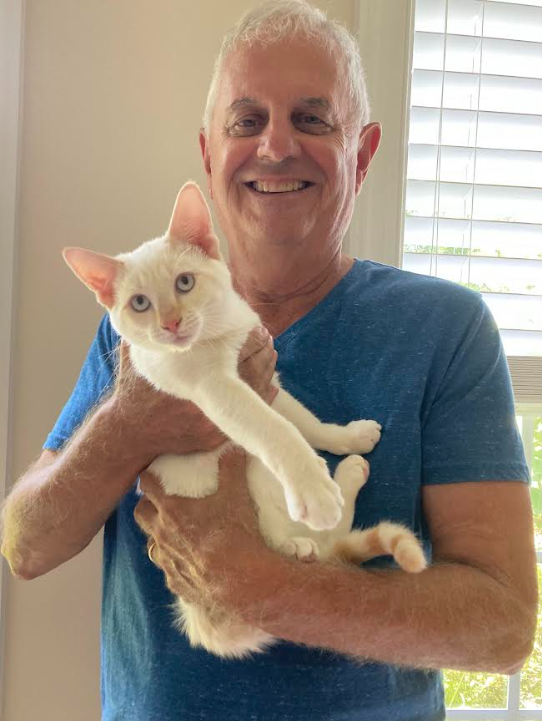
He’s now fully part of our household, but most importantly, Bruiser is now part of our family – safe, loved, and no longer struggling to survive outdoors. We’re so grateful we listened to Terri and trusted the process.
*What to know about FIV – Feline Immunodeficiency Virus:
Here are the key consideration that FURR goes by to caring for and adopting out FIV+ kitties:
Adopters should have no concerns in adopting an FIV+ kitty at all. In fact, I may stop testing for FIV & just test for FeLV.
FIV+ cats can live simultaneously with non FIV+ cats with no problem. FIV+ cats cannot spread FIV unless there is severe fighting and lots of blood exchange.
FIV is predominantly spread through breeding for passing or from an FIV+ mom to her kittens, but it is considered rare, and many kittens with a positive test actually only have maternal antibodies rather than the infection. Kittens with positive results should be retested after 6 months to confirm their status, as they often turn negative once maternal antibodies disappear.
Once the cat is spayed/neutered, the breeding stops, which helps prevent the disease from spreading.
Since the immune system of an FIV+ cat is somewhat compromised, FIV+ cats should stay indoors and safe from other cats that may have Upper Respiratory Infection and/or compromised immune system. This is why we adopt to indoor only homes anyway.
Our known FIV+ cats at FURR live with all the other cats and are treated and adopted out just the same.
Meet all FURR kitties available for adoption on PetFinder!
For adoption information or to schedule a visit to the Feline Urgent Rescue & Rehab rescue facility to meet this kitty, please email FURR’s President and Founder, Terry Schultz, at adoptafurrcat@gmail.com.
Learn how to adopt this kitty! FURR adopts to the Wilmington/Hampstead NC and surrounding area only and to approved homes.
If you are not ready to adopt a kitty, please consider fostering or sponsoring. All donations are tax deductible.